
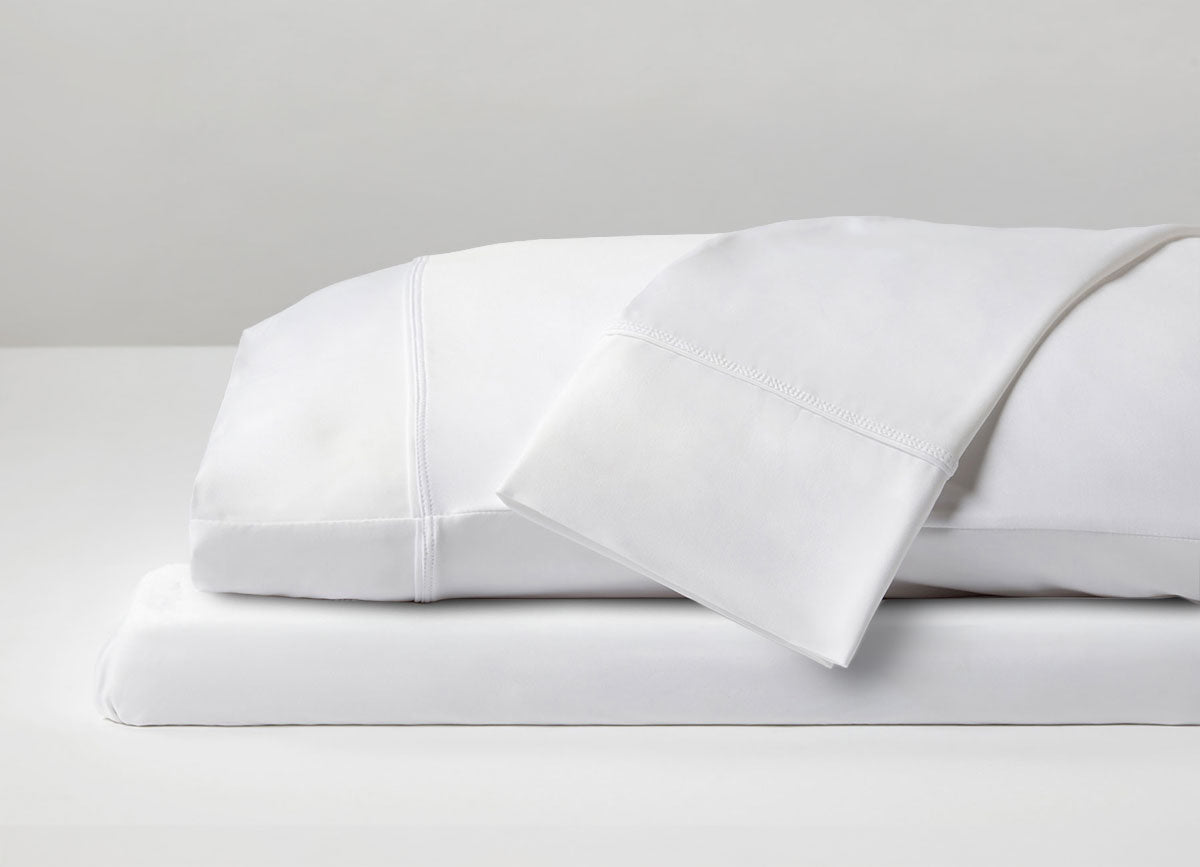
The midnight heat nobody invited into the bedroom
Sleep should feel like a soft reset, not a nightly battle with the blanket. Yet menopause can change the whole feel of bedtime. One minute, the room feels fine. The next minute, heat rises, sheets feel sticky, and the pillow suddenly seems to be working against you. We know this can be frustrating, especially when morning still arrives on time. Good rest matters for mood, focus, energy, and patience. That is why this guide looks at bedding as part of night comfort, not just room decor. For many women, better sleep starts with choices focused on cooling bedding for menopause that help the body feel less trapped by heat.
We will keep this honest and easy to follow. No big claims. No confusing fabric talk. This article explains how bedding can affect night sweats, what materials may feel cooler, how to build a better sleep setup, and what habits can help the bedroom stay calm. The goal is simple. You should know what to look for before buying sheets, pillowcases, blankets, or mattress covers. Menopause can make sleep feel less easy, but your bed should not make it harder. A few smart swaps can help bedtime feel kinder again.
How to spot bedding that may trap too much heat
Start by paying attention to how your bed feels at night. Heavy sheets, thick blankets, and dense mattress pads can hold warmth close to the body. That trapped heat may make hot flashes feel worse. Some fabrics also hold moisture, which can leave the bed feeling damp. If you wake up sweaty often, your bedding may be part of the problem. It is not always the whole reason, but it can add to the discomfort.
Your sleep layers should help air move. They should also dry quickly when sweat occurs. A cool-feeling sheet at bedtime is nice, but it should stay comfortable through the night. Check your blankets too. Many people change sheets but keep a heavy comforter. That can defeat the whole plan. The bed works as a system, not as one item.
Signs that bedding may be too warm include:
- You wake up damp often.
- Sheets feel sticky at night.
- Blankets feel heavy fast.
- Your pillow holds heat.
- You kick the covers off, then get cold.
What fabrics can help you feel cooler at night
Fabric makes a real difference in sleep comfort. Some materials breathe better than others. Some pull moisture away from the skin faster. This can help when night sweats show up without warning. Look for bedding that feels light, smooth, and quick to dry. The right sheets should not feel stiff or clingy. They should move with you and let heat escape.
Thread count is not the only thing that matters. A very high thread count can feel dense and warm. That may not help during menopause. Focus more on breathability, moisture control, and feel against the skin. Pillowcases matter too because the face and neck can heat up fast. A cooler pillow surface can make sleep feel calmer.
1. Breathable sheets
Breathable sheets let air move more freely. That can help reduce the hot, trapped feeling. They should feel light on the body. Heavy sheets may look nice, but they keep you warm.
2. Moisture-wicking fabric
Moisture-wicking fabric pulls sweat away from the skin. This helps you feel less damp. It can also help the bed dry faster. That small comfort matters at 2 a.m.
3. Light top layers
Thick covers can hold too much heat. A light blanket may work better than a heavy comforter. Layers are useful because you can adjust them. Think flexible, not bulky.
Why your whole sleep setup matters more than one sheet
A single cooling sheet can help, but the rest of the bed matters too. The mattress pad, pillow, blanket, and sleepwear all play a role. If one layer traps heat, it can affect the rest. That is why the best plan looks at the whole sleep setup. You do not need to replace everything at once. Start with the layer closest to your skin.
Room habits also count. A cooler room, lighter pajamas, and good airflow can support better sleep. Avoid piling on heavy throws just because they look pretty. Pretty does not help much when you are wide awake and too hot. Choose comfort first. Your bedroom can still look nice without turning into a heat cave.
Helpful sleep setup checks include:
- Use lighter sleep layers.
- Choose breathable pillowcases.
- Keep the room cooler.
- Avoid heavy mattress toppers.
- Wear light, soft sleepwear.
How to build a menopause-friendly bed step by step
Begin with your sheets because they touch the most skin. Choose a set that feels cool, soft, and breathable. Then look at your pillowcase. Neck and face heat can wake you up fast. Next, check the blanket weight. If the blanket feels cozy at first but too hot later, it may not fit your needs. The goal is comfort that lasts past midnight.
After that, review the mattress cover or pad. Some waterproof layers trap heat. If you need protection, look for options that still allow airflow. Keep extra layers nearby instead of stacking them all on the bed. That way, you can add warmth only if needed. A simple bed often sleeps cooler than a heavy, styled one.
Easy steps to try:
- Start with cooler sheets.
- Switch to breathable pillowcases.
- Use a lighter blanket.
- Check the mattress pad heat.
- Keep one extra layer nearby.
What mistakes can make night sweats feel worse
One common mistake is choosing bedding only by softness. Soft is great, but it is not enough. A soft sheet can still trap heat. Another mistake is using too many layers because the room feels cold at bedtime. Menopause heat can arrive later, so bedtime comfort may not tell the full story. Plan for the warmest part of the night, not just the first ten minutes.
Another issue is ignoring moisture. Sweat that stays close to the skin can make sleep feel worse. It can also make you feel chilled after the hot flash passes. Bedding that dries faster can help reduce that swing. Do not forget pillow heat either. A hot pillow can ruin a good setup.
Avoid these common sleep mistakes:
- Buying sheets only for softness.
- Keeping a heavy comforter year-round.
- Using dense mattress pads.
- Wearing warm sleepwear.
- Ignoring pillowcase comfort.
Make the bed feel like a calmer place again
Menopause can bring changes that feel unfair, especially at night. But your bedding can help make sleep feel more manageable. Cooler sheets, lighter layers, breathable pillowcases, and better airflow can all work together. The goal is not perfect sleep every night. The goal is less heat, less dampness, and more comfort.
We believe a better night can start with one simple change. Look at the layer closest to your skin and ask if it helps or hurts your comfort. Then build from there with care. Your bed should feel like a place to rest, not a place to wrestle with heat. Give yourself the cooler setup you deserve, and let bedtime feel gentle again.

