
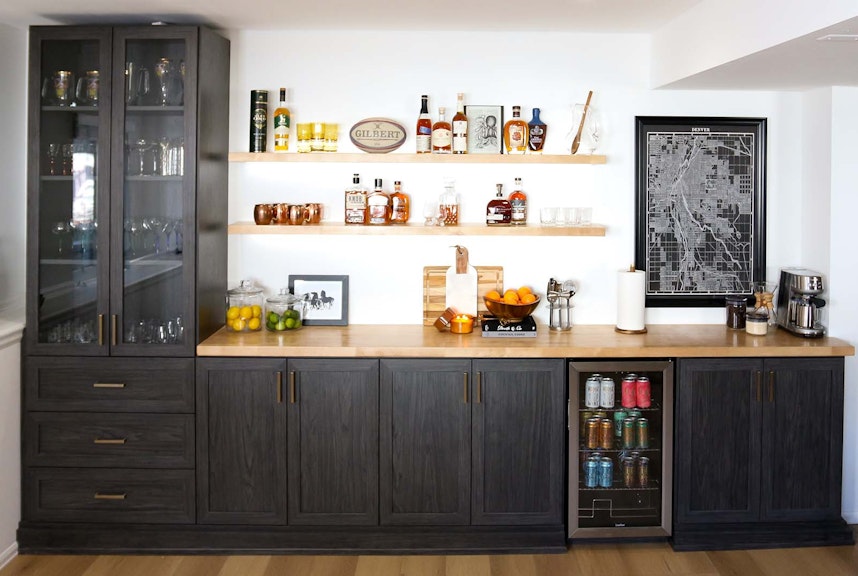
The quiet fix for a bar that always feels half-ready
A home bar can be beautiful and still be hard to use. Bottles may sit in three places, glasses may hide in a cabinet, and tools may vanish right when guests arrive. We know that small mess well. It starts with one bottle on the counter, then a tray, then a drawer full of openers, napkins, and “where did that go?” moments. A good bar space should feel ready before anyone asks for a drink. That is why this guide looks at storage as the main character, not as an afterthought. A smoother setup is often created with a custom bar storage system that gives every bottle, glass, and tool a place to live.
We will keep this simple and useful. No fancy bar talk. No design words that need a dictionary. This article explains how to plan a bar area, what storage pieces matter most, and how to make the space easy to use every day. You will also learn how to avoid clutter, protect bottles, and build a setup that fits your home. The big win is clear. Your bar can look good, work better, and make hosting feel less like a hunt through cabinets. A little order can make the whole room feel more polished.
How to plan a bar space that fits daily use
Start by thinking about how the bar will be used. Some homes need a small drink station for casual nights. Others need a full setup for wine, spirits, mixers, and glassware. A bar near the dining room may need display storage. A bar near the kitchen may need faster access. The best plan starts with your real habits, not a picture from a showroom. Good storage should fit how you live.
Measure the space before choosing shelves or racks. Wall width, counter height, cabinet depth, and nearby doors all matter. A bar that blocks movement will feel annoying fast. Leave enough room to stand, pour, and clean. Think about lighting too. A bright work area makes the bar easier to use.
Useful planning checks include:
- Count the bottles you own now.
- Leave room for future stock.
- Keep glasses close to the bar.
- Store tools near the prep area.
- Make cleanup simple.
What storage pieces make a bar work better
Bar storage works best when each part has a clear job. Wine racks hold bottles safely and neatly. Shelves can show spirits, mixers, or glassware. Cabinets hide extra stock and less-than-pretty items. Drawers are great for tools, napkins, stirrers, and small supplies. A mix of open and closed storage keeps the space useful and clean. Too much open storage can feel busy.
Bottle height is another key detail. Not all bottles are the same shape. Tall spirits, wide liquor bottles, wine bottles, and small bitters need different spaces. Glassware also needs care because it breaks easily. Stemware racks can save shelf space and look neat. The right setup should make every item easy to grab.
1. Bottle zones
Group bottles by type. Keep wine, spirits, and mixers in their own areas. This makes the bar faster to use. It also helps you see what needs restocking.
2. Glass storage
Store glasses where they are safe and easy to reach. Use shelves or stemware racks based on the glass type. Avoid crowding delicate pieces. No one wants broken glass during a party.
3. Tool drawers
Bar tools should not float around the house. Keep openers, strainers, spoons, and napkins in one drawer. Small dividers help a lot. A simple order saves time.
Why layout matters more than having more shelves
More shelves do not always mean better storage. A smart layout beats a crowded wall every time. The goal is to create flow. You should be able to grab a bottle, pick up a glass, mix or pour, and clean up without crossing the room. When the layout works, the bar feels calm; when it does not, even a large space can feel messy.
Think in zones. One area can hold bottles for display. Another can hold daily drink items. A lower cabinet can store backup bottles. A drawer can hold tools and towels. This keeps the bar clear and easy to reset after use.
Smart layout ideas include:
- Keep daily items at hand level.
- Store heavy bottles lower.
- Place glassware near the pour area.
- Hide backup stock in cabinets.
- Keep the counter open for prep.
How to choose materials that match your home
Materials shape the feel of the bar before anyone uses it. Wood adds warmth and can fit classic or cozy rooms. Metal can feel clean and modern. Glass shelves can look light, but they need regular cleaning. Painted finishes can match cabinets or walls. The right material should fit the home, not fight it. A bar should feel like part of the room.
Durability matters too. Bar areas deal with spills, sticky bottles, and wet glasses. Surfaces should clean easily. Shelves should hold weight without sagging. Hardware should feel sturdy. A storage system can look stylish, but it still needs to work hard.
Good material choices may include:
- Wood for warmth.
- Metal for a modern touch.
- Closed cabinets for hidden stock.
- Strong shelves for heavy bottles.
- Easy-clean surfaces near prep areas.
What mistakes can make bar storage feel cluttered
One common mistake is displaying everything. A bar can look full fast when every bottle and glass is visible. Pick the best items to show and store the rest behind doors. Another mistake is ignoring bottle sizes. Tall bottles need space. Wide bottles need room too. If storage is too tight, the bar becomes hard to use.
Poor lighting can also hurt the space. A dark bar looks flat and makes labels hard to read. Bad placement is another issue. If tools are far from the counter, you will not use the space with ease. Plan for real movement. Pretty is nice, but useful wins.
Avoid these common issues:
- Showing too many bottles.
- Forgetting the tall bottle height.
- Crowding glassware.
- Leaving no prep space.
- Skipping task lighting.
Let your bar feel ready before the first pour
A good bar does not need to be huge. It needs to be clear, balanced, and easy to use. Smart storage can turn scattered bottles and hidden tools into one calm setup. It can also make the room feel more complete. When everything has a place, hosting feels smoother, and the space looks better.
We believe the best bar starts with honest planning. Look at what you own, how you serve, and where clutter builds up. Then shape storage around those real needs. Give your bottles, glasses, and tools a proper home, and let your next gathering start with ease instead of searching.

