Practical Knowledge for a Stronger and Safer Living Space
Home Repair Tips Every Homeowner Should Know A well maintained home is not built solely through design and decoration. Its true strength lies in consistent care, timely attention, and the ability to recognize small issues before they evolve into expensive complications. Understanding the basics of maintenance allows homeowners to preserve comfort, safety, and long term value with confidence.

Many repairs begin as subtle warnings. home repair A faint water stain, a squeaking hinge, or a small crack in the wall may appear insignificant, yet these details often signal deeper concerns. Learning to observe these signs early is one of the most valuable habits any homeowner can develop. Prevention is almost always less costly than restoration.
A basic toolkit is an essential starting point. A reliable hammer, screwdriver set, measuring tape, adjustable wrench, utility knife, and level provide the foundation for many household fixes. With these tools readily available, simple tasks become manageable rather than postponed. Preparedness creates both efficiency and peace of mind.
Plumbing Awareness and Moisture Control
Water related issues are among the most common household challenges. Leaks, clogged drains, and weak water pressure can quickly disrupt daily life and cause hidden structural damage if ignored. Early detection is critical.
Regularly checking under sinks and around appliances helps identify moisture before it spreads. A slow drip may seem harmless, but over time it can weaken cabinetry, flooring, and surrounding walls. Replacing worn washers or tightening loose connections often resolves these issues before major intervention is needed.
Drain maintenance is equally important. Hair, grease, and soap residue gradually restrict flow and create persistent blockages. Simple preventive habits, such as using drain screens and flushing pipes with warm water, reduce buildup and preserve efficiency.
This is where becomes less about emergency response and more about consistent stewardship. Routine inspections and small corrective actions protect both structure and comfort in the long term.
Electrical Safety and Functional Reliability
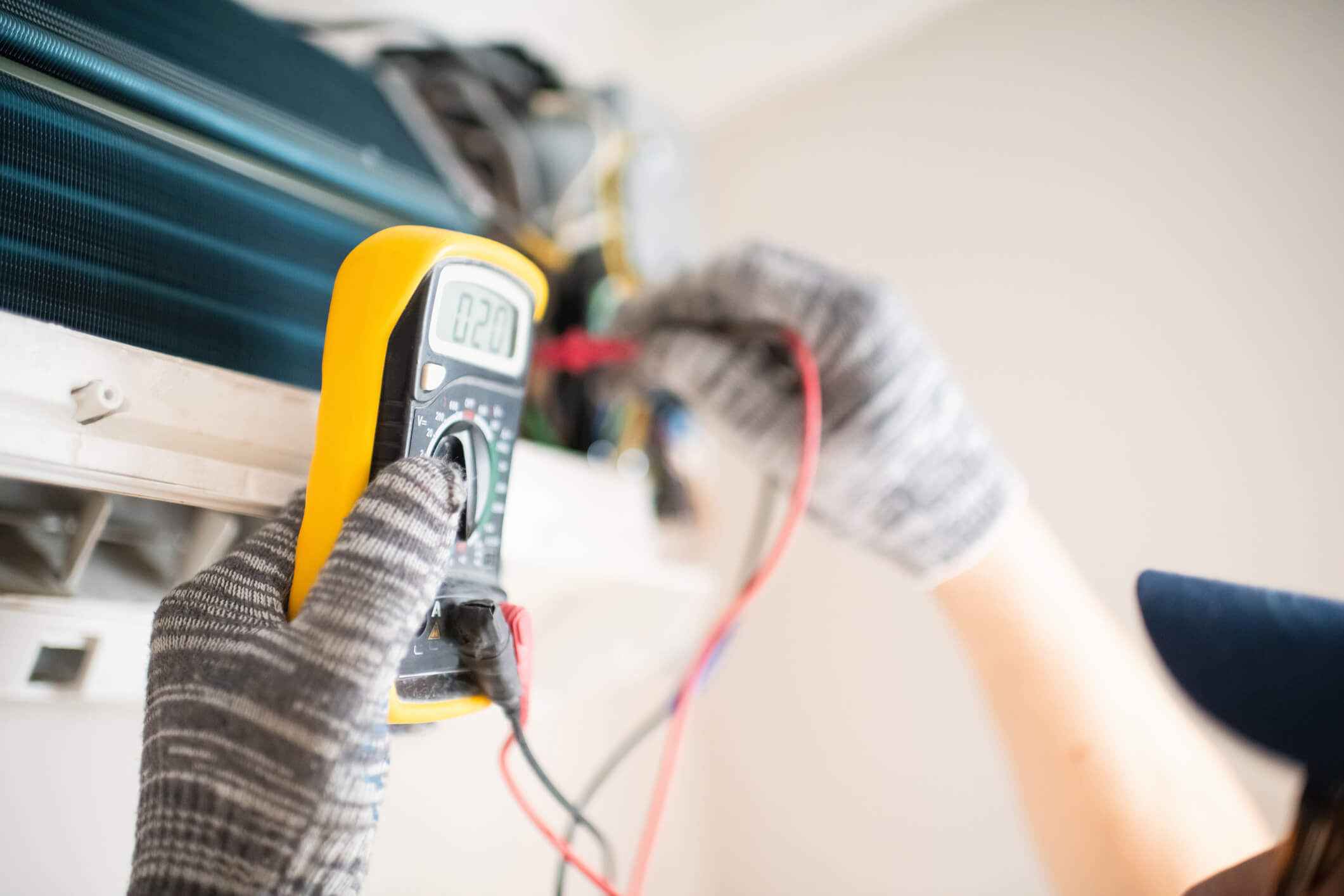
Electrical systems demand attention and caution. Flickering lights, frequently tripped breakers, or outlets that feel warm to the touch should never be ignored. These signs may indicate overloaded circuits or aging components that require prompt evaluation.
Replacing light switches, updating fixtures, or securing loose outlet covers are manageable improvements for many homeowners. However, more complex wiring concerns should always be handled with professional expertise. Safety must remain the highest priority when dealing with electricity.
Lighting also contributes to functional living. Ensuring that task areas are well illuminated improves usability and reduces accidents. Exterior lighting enhances both security and navigation, especially around entrances and pathways.
Smoke detectors and carbon monoxide alarms should be tested regularly. These devices are often overlooked until urgently needed. Replacing batteries and confirming functionality is a simple habit with profound importance.
Walls, Floors, and Structural Upkeep
The visible surfaces of a home often reveal its hidden condition. Cracks in walls, uneven flooring, or doors that no longer close smoothly can indicate movement, moisture, or wear within the structure. Understanding these signals helps prevent more serious deterioration.
Wall maintenance begins with observation. Small nail holes, chipped paint, or minor drywall cracks can be repaired quickly with filler and touch up paint. These cosmetic fixes preserve visual clarity while preventing further damage from exposure.
Flooring requires equal attention. Loose tiles, squeaking boards, or worn grout lines should be addressed before they compromise stability. Area rugs and protective pads also help reduce daily wear, extending the life of surfaces over time.
Window seals and door frames are another important focus. Drafts not only reduce comfort but also increase energy costs. Replacing weather stripping or sealing small gaps improves insulation and enhances indoor climate control.
Within these practical efforts, home repair supports both efficiency and structural resilience. Every small fix contributes to a more stable and dependable living environment.
Exterior Maintenance and Weather Protection
The outside of a home faces constant exposure to sun, rain, and seasonal changes. Exterior upkeep is essential for protecting the structure from environmental wear and preserving curb appeal.
Roof inspections should be part of regular maintenance routines. Missing shingles, clogged gutters, or signs of water pooling can lead to major problems if left unresolved. Keeping drainage systems clear ensures that rainwater flows away from the home rather than into vulnerable areas.
Paint and siding also serve protective functions beyond appearance. Peeling paint or cracked surfaces allow moisture to penetrate and accelerate deterioration. Refreshing these areas helps maintain both durability and visual integrity.
Pathways, fences, and outdoor fixtures deserve attention as well. Loose railings, uneven steps, or damaged lighting create safety concerns and reduce overall presentation. Small exterior repairs improve both function and first impressions.
Preventive Habits and Long Term Confidence
Maintenance is most effective when it becomes habitual rather than reactive. Seasonal checklists provide a structured way to monitor changing needs throughout the year. Cleaning gutters in rainy months, checking insulation before colder seasons, and inspecting ventilation during warmer periods create a rhythm of care.
Documentation is another valuable practice. Keeping records of repairs, appliance warranties, and service schedules helps homeowners track patterns and make informed decisions. Organized information reduces uncertainty and improves long term planning.
There is also confidence in knowing when to seek professional help. Not every issue should be solved alone. Structural instability, major plumbing failures, and advanced electrical concerns require specialized expertise. Recognizing those boundaries is a sign of wisdom, not limitation.
Ultimately, home repair is not simply about fixing what is broken. It is about preserving the integrity of the place where daily life unfolds. Through awareness, preparation, and timely action, homeowners create spaces that remain safe, efficient, and enduring for years to come.