Smarter Living Through Sustainable Design
Energy Efficient Home Improvements That Reduce Bills Modern homeowners are increasingly seeking ways to create spaces that are both comfortable and financially sustainable. Rising utility costs have transformed efficiency from a desirable feature into a practical necessity. A thoughtfully designed living environment can significantly reduce monthly expenses while also supporting long term environmental responsibility.

Creating an energy efficient home begins with understanding where energy is lost and how everyday systems can be optimized. Often, the greatest savings come not from dramatic renovations but from strategic upgrades applied with consistency and foresight. Small improvements, when combined, create substantial results over time.
Insulation is one of the most influential factors in household efficiency. Poorly insulated walls, roofs, and floors allow heat to escape during cooler months and invite excess warmth during hotter seasons. This forces heating and cooling systems to work harder, increasing both energy use and operational costs. Improving insulation creates immediate comfort while reducing long term expenditure.
Windows also play a major role in thermal performance. Older frames and single pane glass often allow drafts and temperature fluctuations. Replacing them with double glazed or properly sealed alternatives improves climate stability and enhances interior comfort. Even simple measures such as thermal curtains or weather sealing can make a noticeable difference.
Intelligent Climate Control for Everyday Comfort
Heating and cooling systems represent a significant portion of household energy consumption. Optimizing these systems is essential for reducing waste without sacrificing comfort. Smart thermostats offer one of the most effective solutions for this challenge.
These devices learn household patterns and adjust temperatures automatically based on occupancy and preference. Instead of running continuously, climate systems respond intelligently to actual needs. This minimizes unnecessary consumption while maintaining a balanced indoor environment.
Ceiling fans also support efficient temperature control. During warmer months, they improve airflow and reduce reliance on air conditioning. In cooler seasons, reversing fan direction helps distribute warm air more evenly. This simple adjustment improves comfort and reduces demand on central systems.
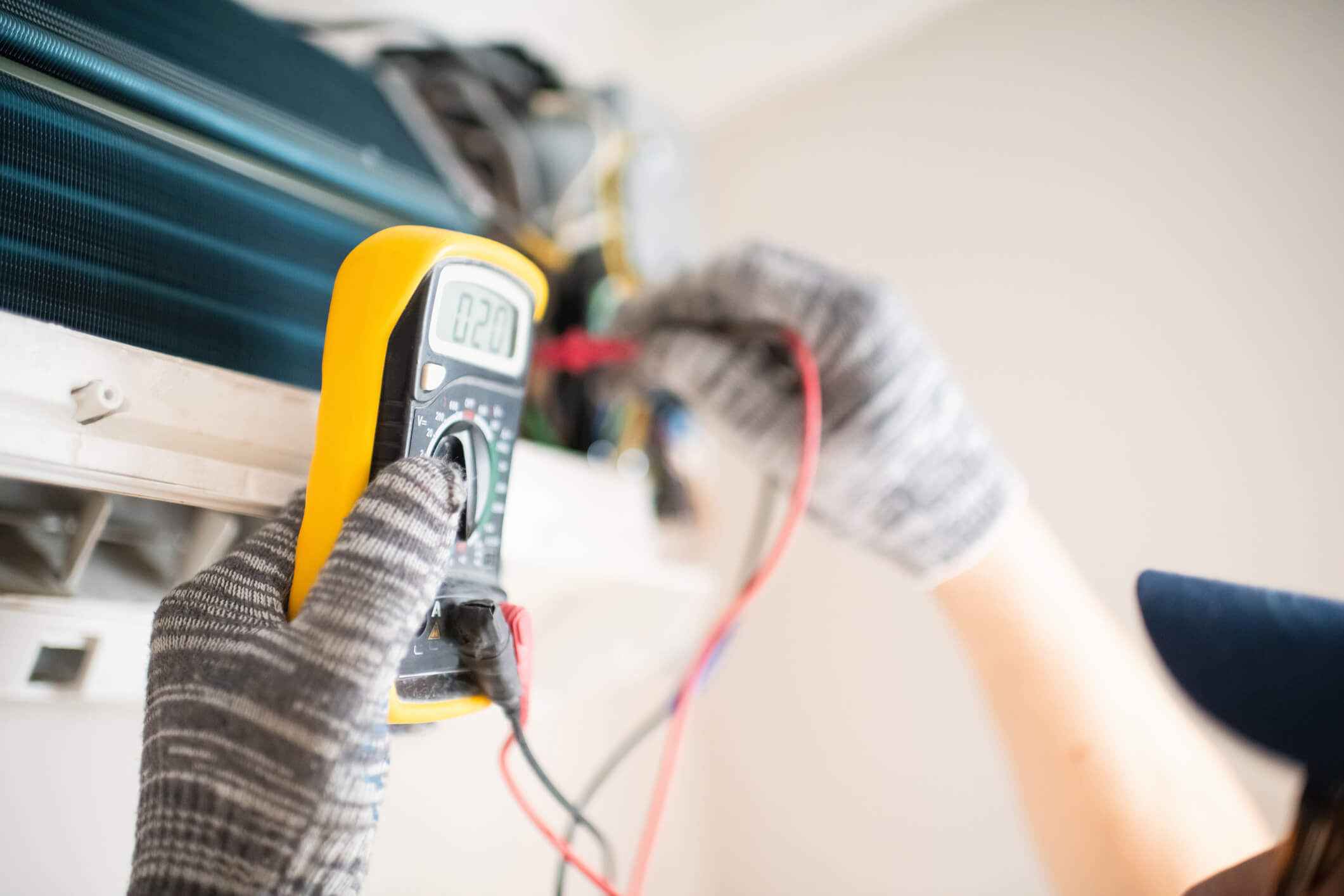
Routine maintenance of heating and cooling equipment is equally important. Clean filters, serviced ducts, and properly functioning units operate more efficiently and last longer. Preventive care reduces both energy waste and unexpected repair costs.
Within this framework, an energy efficient home becomes less about technology alone and more about creating a responsive environment that adapts intelligently to daily living patterns.
Lighting and Appliance Upgrades That Matter
Lighting is often underestimated in discussions about energy savings. Traditional incandescent bulbs consume more electricity and generate unnecessary heat. Replacing them with LED alternatives offers immediate benefits in both efficiency and longevity.
LED lighting lasts significantly longer and uses far less power, making it one of the simplest upgrades with measurable financial return. Layered lighting design also improves usability. Task lighting in kitchens, reading areas, and workspaces reduces the need to illuminate entire rooms unnecessarily.
Appliances also influence household efficiency more than many realize. Refrigerators, washing machines, and dishwashers that operate continuously or frequently should be evaluated for performance and energy usage. Older models often consume far more electricity than modern efficient alternatives.
Choosing appliances with high efficiency ratings ensures lower operating costs over time. Front loading washers, induction cooktops, and advanced refrigerators with adaptive cooling systems all contribute to reduced consumption. These upgrades may require initial investment, but the long term savings often justify the expense.
Power management habits matter as well. Unplugging unused devices or using smart power strips prevents standby energy waste. These seemingly minor adjustments accumulate into meaningful monthly savings.
Water Efficiency and Resource Preservation
Water heating is another major contributor to utility expenses. Improving water efficiency reduces both water and energy consumption simultaneously. Low flow fixtures are a practical and accessible starting point.
Modern showerheads and faucets maintain strong performance while using less water. This reduces the energy required for heating without compromising comfort. Dual flush toilets and efficient irrigation systems further support conservation throughout the home.
Water heater maintenance also affects efficiency. Sediment buildup reduces performance and increases operational strain. Regular flushing and insulation of exposed pipes improve heat retention and reduce unnecessary energy use.
Tankless water heaters provide another modern alternative. They heat water only when needed, eliminating the constant energy demand of traditional storage systems. For many households, this shift results in significant long term savings.
At this stage, the concept of an energy efficient home expands beyond electricity into broader resource stewardship. Every drop saved and every degree preserved contributes to a more sustainable lifestyle.
Exterior Protection and Long Term Savings
The exterior of a home directly influences internal efficiency. Roofing, siding, and landscaping all contribute to temperature regulation and energy performance. Reflective roofing materials, for example, reduce heat absorption and help maintain cooler indoor temperatures during warmer seasons.
Proper shading also plays a strategic role. Trees, pergolas, and exterior awnings reduce direct sunlight exposure, lowering indoor heat gain naturally. This passive cooling method enhances comfort while reducing reliance on air conditioning systems.
Sealing gaps around doors, windows, and foundation areas prevents drafts and moisture intrusion. These small vulnerabilities often lead to significant energy loss if left unaddressed. Weather stripping and caulking are inexpensive solutions with immediate benefits.
Even landscaping choices can improve efficiency. Native plants require less irrigation, while strategic tree placement supports insulation through seasonal shade and wind protection. Outdoor design becomes part of the broader efficiency strategy.
Building a Sustainable Daily Routine
Technology and upgrades provide the structure, but habits determine long term success. Turning off lights when leaving a room, running full appliance loads, and adjusting thermostat settings mindfully all reinforce efficient living.
Monitoring utility bills helps identify patterns and opportunities for further improvement. Awareness creates accountability, and small behavioral changes often produce measurable results. Sustainability becomes most effective when it is integrated into routine rather than treated as an occasional effort.
Ultimately, creating an energy efficient home is not about sacrificing comfort. It is about refining how comfort is achieved. Through insulation, intelligent systems, efficient appliances, and mindful habits, homeowners can reduce bills while building a space that is both economically and environmentally resilient.