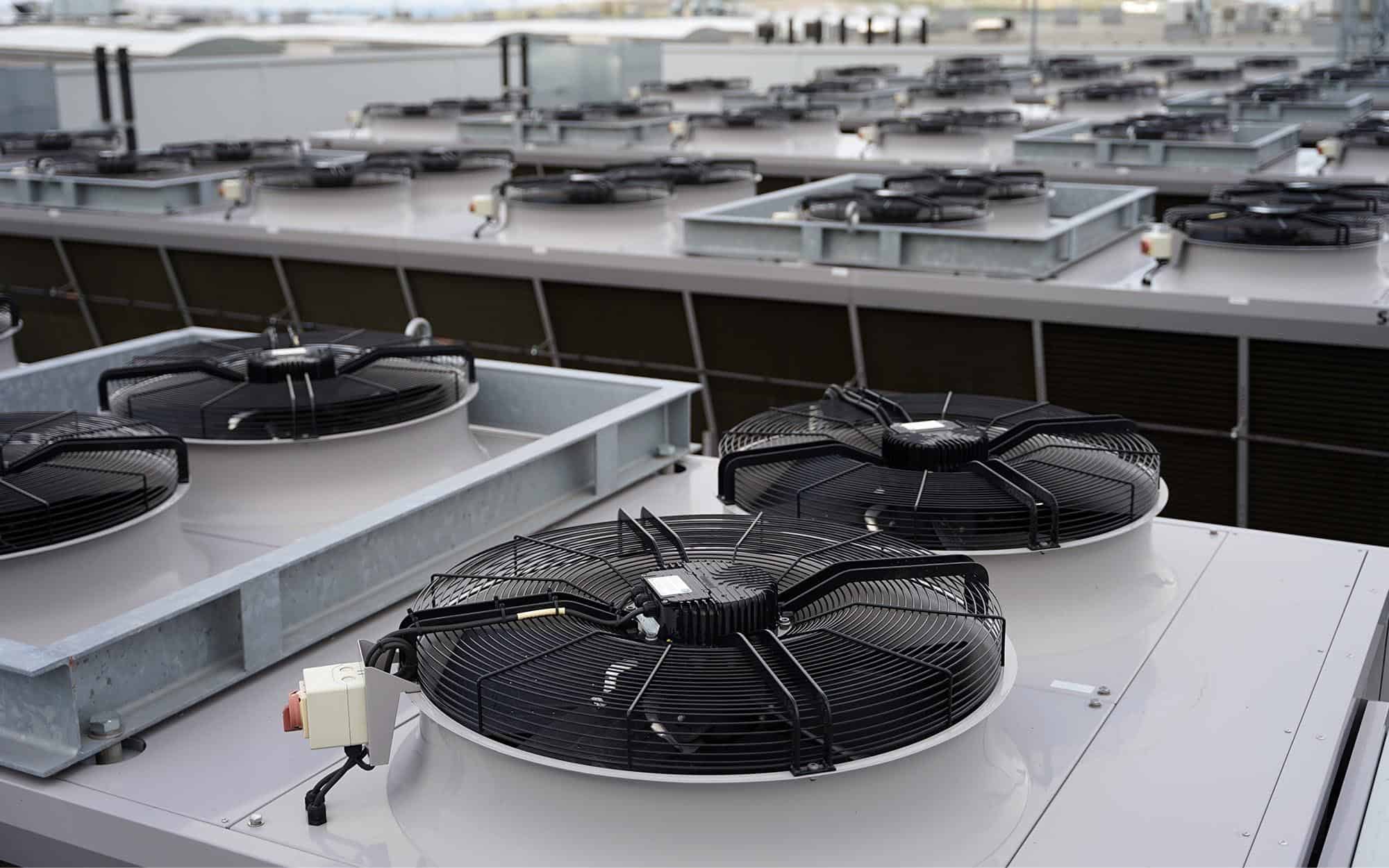
A packaged rooftop unit (RTU) is easy to ignore because it’s out of sight, and most days it just runs. In Pennsylvania, that “set it and forget it” mindset can get expensive. RTUs here deal with humid summer demand, long heating seasons, wind-driven rain, and freeze-thaw cycles that punish drain lines and rooftop penetrations.
Most commercial RTUs land in a broad service-life range of roughly 15 to 20 years, with big swings based on maintenance and exposure. The point isn’t to squeeze every last day out of an aging unit. It’s to catch the early signals that a failure is brewing so you can schedule work on your terms, not during a July heat wave or a January cold snap.
Below are ten warning signs that show up again and again in office buildings, retail spaces, and light industrial properties across PA.
1) Short Cycling (Rapid On-Off Running)
If the RTU starts, runs briefly, shuts off, then repeats, it’s telling you something is wrong. Short cycling can come from airflow restrictions (dirty filters, clogged coils), control issues, or safety trips like high pressure. It stresses compressors and contactors and often turns a small issue into a major one if it’s left alone.
2) New Noises: Squealing, Grinding, Rattling, Or Banging
RTUs are never silent, but sound changes are meaningful. Squealing may point to belts or bearings. Grinding can mean motor trouble. Rattling can be loose panels or a failing fan assembly. When you hear a new sound and it repeats every cycle, treat it as a maintenance priority, not a “watch it for a while” item.
3) Utility Bills Rise Without A Clear Reason
A gradual jump in electric use can show up before comfort complaints start. Dirty condenser coils, failing fan motors, and control drift force the unit to work harder for the same load. Coil fouling in particular can drive higher pressures and hotter compressor operation. If your bills climb and your occupancy hasn’t changed, your RTU deserves a look.
4) Uneven Temperatures Across the Building
One side of the office is cold, the other is warm. The thermostat says one thing, occupants say another. Sometimes this is duct balancing or VAV issues, but an RTU can be the root cause if it can’t maintain supply air temperature under load. Watch for a pattern: does it happen only during peak afternoon sun, or whenever outdoor humidity spikes?
5) Weak Airflow at The Diffusers
When airflow drops, people notice it fast: “stuffy,” “no movement,” “feels stale.” Weak airflow can be as simple as a clogged filter, or it can point to a failing blower motor, a slipping belt, or an evaporator coil packed with debris. Reduced airflow can also contribute to coil icing, which leads to the next sign.
6) Water Where It Doesn’t Belong
Water stains on ceiling tiles, damp insulation, or pooling around a curb can be a condensate problem. In PA, condensate drains and traps also take a beating from algae in summer and freezing conditions in winter. A plugged drain can trigger float switches or cause hidden damage long before anyone opens the ceiling.
7) Ice or Frost on Coils or Refrigerant Lines
Ice on an evaporator coil is never “normal.” It often indicates low airflow, low refrigerant charge, or a metering issue. Many service guides also flag frosting and ice as common clues of refrigerant problems. If the unit has ice, shut it down and call for service. Running it can flood the compressor with liquid refrigerant and end the season early.
8) Odors: Musty, Sour, Or Electrical Smells
A musty smell can come from standing water in the drain pan or microbial growth in damp insulation. A sharp electrical odor is more urgent. It may point to a failing motor, overheated wiring, or a contactor that’s arcing. If you smell “hot electronics,” don’t treat it as a minor nuisance. Safety first.
9) Nuisance Trips, Lockouts, Or Unreliable Controls
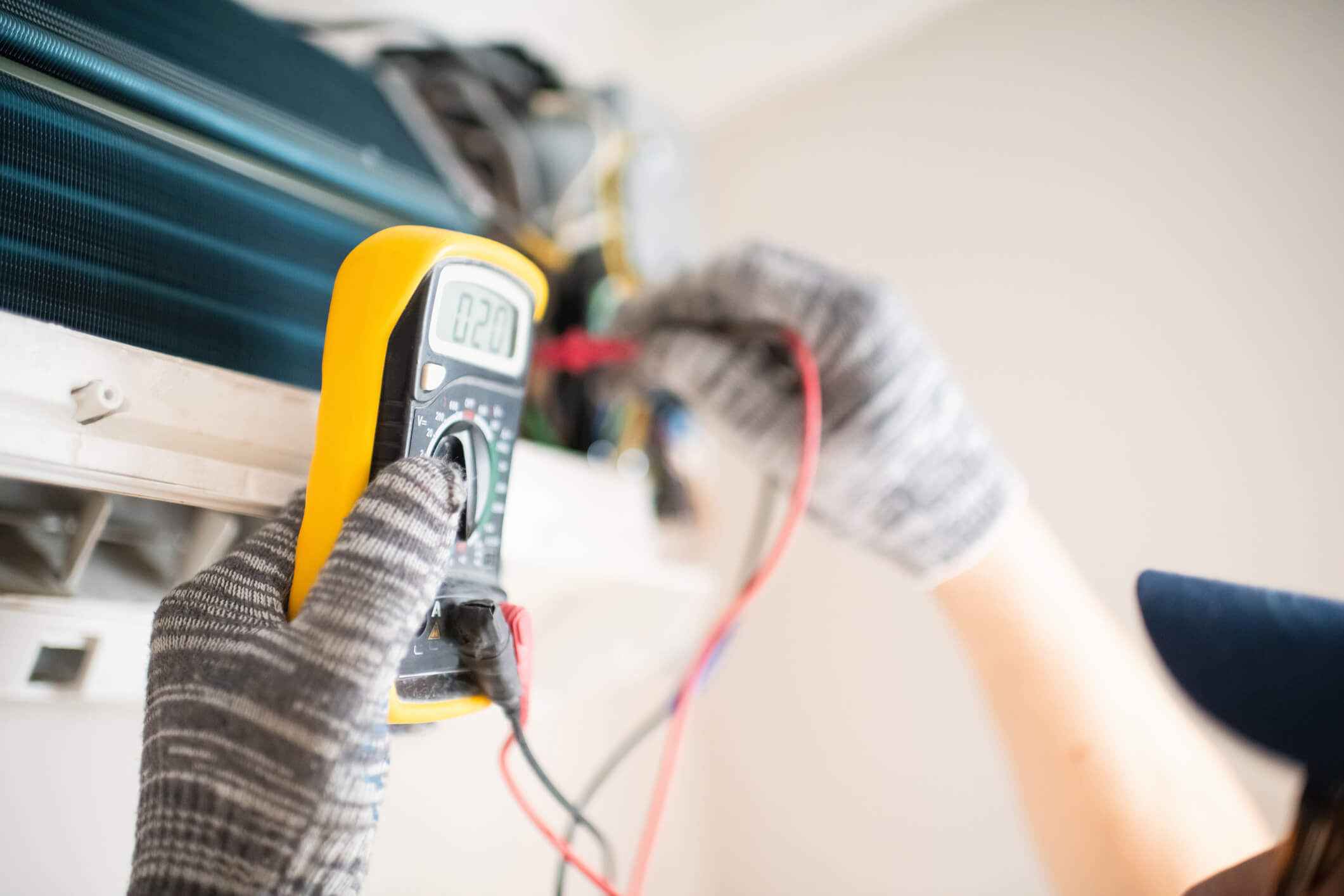
Modern RTUs use safeties that shut the system down to protect it. If you’re resetting breakers, clearing lockouts, or the unit “sometimes starts and sometimes doesn’t,” you’re already in the danger zone. Electrical components such as capacitors, relays, and contactors tend to fail in bursts, especially after hot afternoons or stormy days.
10) Oily Residue, Corrosion, Or Hissing Near Refrigerant Components
A small amount of rust on a rooftop cabinet isn’t a big deal, but heavy corrosion around coils, fasteners, and panels can shorten equipment life. Also look for oily residue around refrigerant fittings. Many leak-detection references note that leaks can leave oil stains because refrigerant can escape with compressor oil. Hissing or bubbling sounds can also indicate refrigerant escaping.
What to Do When You Spot A Warning Sign
Here’s a simple triage approach that keeps owners from overreacting or underreacting.
| What you notice | What it usually means | What to do next |
|---|---|---|
| Burning smell, repeated breaker trips, loud grinding | Electrical or motor failure risk | Shut down the unit and request same-day service |
| Ice on coil/lines, water leaks into ceilings | Airflow, refrigerant, or drain problem | Turn off cooling and schedule service promptly |
| Rising bills, uneven temps, weak airflow | Efficiency loss, coil or fan issues, controls drift | Schedule diagnostic service and request a written findings summary |
| Frequent repairs on an older unit | Wear-out phase | Start replacement planning and budgeting |
Replacement planning does not have to be dramatic. When a unit reaches the age range where failures stack up, the smartest move can be a planned swap with proper curb, duct, and controls coordination. That’s where a well-planned commercial hvac installation approach can reduce downtime because the work happens on a schedule instead of during an emergency.
Special-Use Spaces Change the Risk Profile
Some PA office properties include wellness areas, therapy pools, or amenity spaces with high humidity. Those environments accelerate corrosion and create nonstop latent load that a standard RTU may not handle well. If that fits your building, separate the moisture-control strategy from ordinary comfort cooling and treat it as its own scope, including indoor pool dehumidification.
Final Thoughts
An RTU rarely fails “out of nowhere.” It gives warnings in sound, runtime behavior, temperature control, and physical clues on the roof. If you track those signs and act early, you can often trade emergency outages for scheduled service visits and predictable costs. When issues cross into repeat lockouts, icing, or electrical symptoms, bring in a qualified commercial heating and cooling repair professionals and ask for clear options: fix now, monitor with a plan, or replace on a timeline that protects your tenants.