
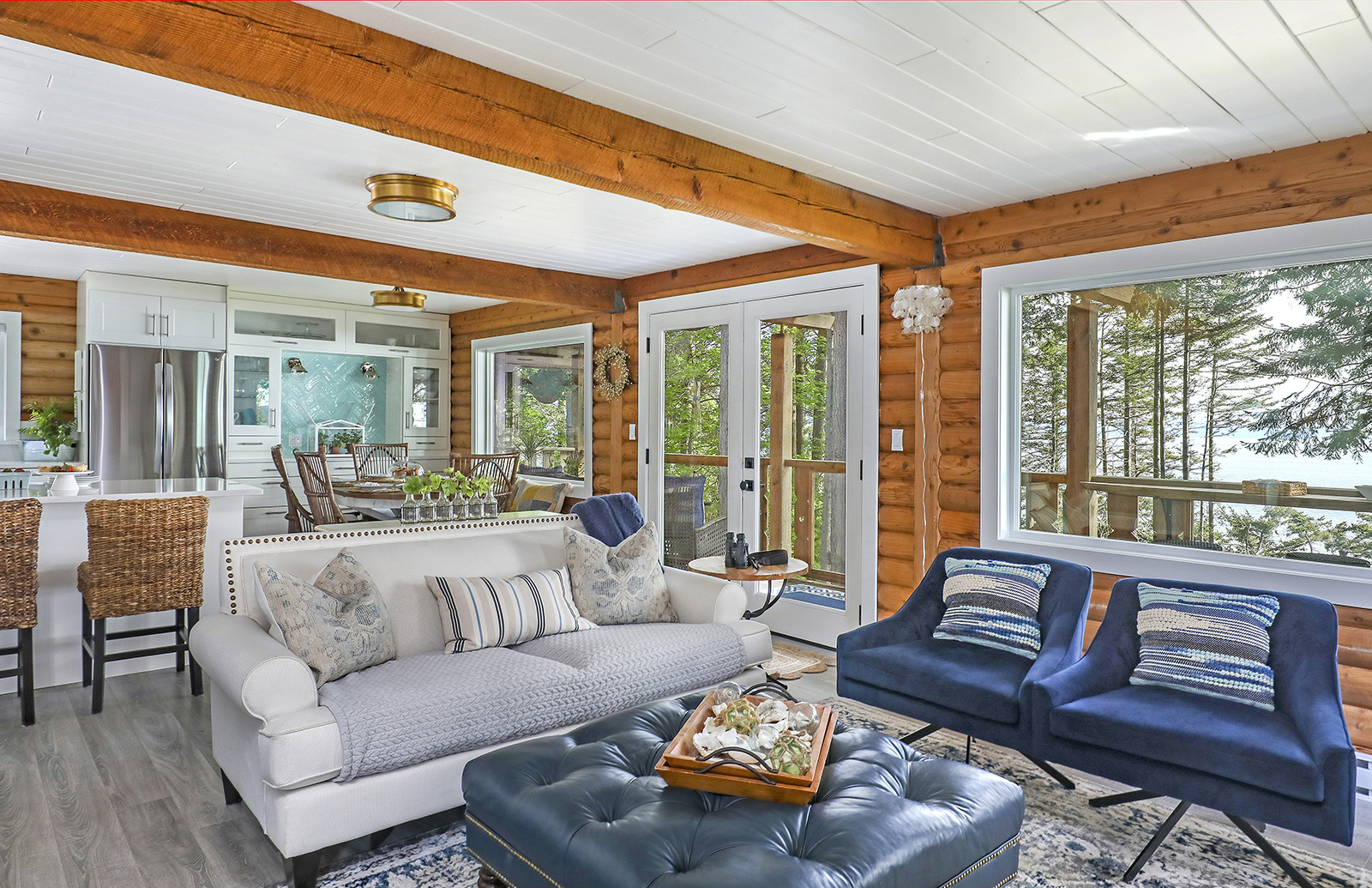
Where water, wood, and everyday peace meet
A lake home has its own kind of quiet. The air feels softer. The day starts slower. Even simple things feel better near water. Coffee on the porch. A chair by the window. A short walk to the dock. It sounds easy, almost too easy. Then the real questions begin. Where should the cabin sit? How close is too close to the water? What about drainage, views, storage, guests, storms, and permits? That is when the dream needs a real plan.
This guide helps make that plan feel clear. We will look at layout, land prep, budget, weather, and comfort. Many people feel more ready when the project is designed around building a lake house log cabin, because a kit-based plan can bring order to a big idea. It can help turn “one day” into steps you can follow. We will keep the advice simple and useful. No heavy builder talk. No shiny words that say nothing. Just clear points for people who want a warm cabin near the water. By the end, you will know what to check first, what questions to ask, and how to plan a lake house that feels calm, safe, and built for real life.
What makes a lake house log cabin worth planning well
A lake cabin is not just a house with a nice view. It is a place shaped by water, weather, guests, and outdoor use. That means planning matters more than many buyers expect. The home should feel relaxed, but the build should be thought out. You need good access, strong materials, smart storage, and a layout that works for wet towels, muddy shoes, and busy weekends. A pretty cabin can become a headache if these details are ignored.
Good planning protects both comfort and cost. It helps you avoid rushed changes later. It also helps the home serve more than one season. A cabin should work for quiet weekends and full family visits. Smart planning may include:
- A layout built around lake views.
- Storage for outdoor gear and supplies.
- Safe access from the cabin to the water.
- Durable floors for wet feet.
- Covered areas for shade and rain.
How to choose the right spot on lakefront land
The best cabin spot is not always the closest spot to the water. That may sound odd, but it is true. You need to think about slope, soil, drainage, flood rules, sun, wind, and access. A cabin placed too low may face water issues. A cabin placed too far back may lose the view. The right spot balances beauty with safety. That choice can shape the whole project.
1. Study the waterline
Water levels may change through the year. Check local rules before choosing the build area. Keep a safe space between the cabin and the shore. A better view is not worth future water damage.
2. Watch drainage after rain
Rain shows the truth about land. Walk the site after a storm if you can. Look for puddles, soft ground, or runoff paths. Good drainage keeps the cabin stronger over time.
3. Plan the driveway early
Lake lots can have tight access. Trucks need room to deliver materials. Crews need space to work. A hard-to-reach site can raise costs fast.
4. Use views with care
Place key rooms toward the water. Keep glare and afternoon heat in mind. Big windows are lovely, but shade still matters. Comfort should work with the view, not fight it.
Why should the floor plan match lake life
Lake life has its own rhythm. People come in from outside often. Shoes get sandy. Towels need a place to dry. Guests may stay longer than planned. Kids may run between the porch, kitchen, and dock all day. A good floor plan should support that flow. It should feel easy, not fussy. A lake cabin should welcome real use.
Think about open spaces and quiet corners. The kitchen and living room should connect well. Bedrooms should feel private. Bathrooms should be easy to reach from outside areas. A smart plan may include:
- An entry space for shoes and bags.
- A kitchen that works for groups.
- Bedrooms placed away from noise.
- Easy access to decks and porches.
- A utility area for towels and gear.
How to budget beyond the cabin kit itself
A lake cabin budget needs more than the main structure. The kit is one part of the full picture. You may also need land clearing, grading, foundation work, labor, roofing, windows, doors, plumbing, electric, septic, water, permits, and finishes. Lake lots may also need shoreline care or extra drainage work. These items can change the final cost. Better to face them early than to meet them during a panic call.
Break the budget into clear sections. Start with the cabin kit and site work. Add foundation, labor, and major systems. Then add interior choices. Keep a buffer for surprises, because building near water can bring a few. Budget items may include:
- Land clearing and grading.
- Foundation and drainage work.
- Septic, water, and power setup.
- Roofing, windows, and doors.
- Interior finishes and outdoor spaces.
What helps a lake cabin stay cozy and practical
A lake house should feel warm, but it should also handle a real mess. Water, sun, wind, bugs, and mud all come with the setting. Durable floors help a lot. Easy-clean surfaces save time. Good windows bring in light and views. Covered porches create shade and protect outdoor seating. Comfort comes from small choices made before the build starts.
Think about how the cabin will feel in each season. Summer may need airflow and shade. Cooler months may need warmth and snug rooms. Lighting matters at night near water. Storage matters all year. Practical comfort choices include:
- Large windows facing the best view.
- Covered porch space for rainy days.
- Floors that handle water and dirt.
- Good lighting inside and outside.
- Heating and cooling that fit the climate.
How to avoid common lake cabin planning mistakes
Many cabin problems start with small skipped steps. A buyer may fall in love with a plan before checking the site. Another may forget where guests will park. Someone else may choose finishes that look great but hate wet shoes. These things sound minor until they become daily annoyances. A little planning can save plenty of regret.
Do not rush the early stage. Walk the land. Ask about local rules. Think through weekends with guests. Picture a rainy day, not just a perfect sunny one. Watch for mistakes like:
- Building too close to the water.
- Ignoring drainage and soil needs.
- Forgetting storage for lake gear.
- Choosing fragile interior finishes.
- Under planning parking and access.
A lake cabin dream can become a steady plan
A lake house log cabin can offer rest, beauty, and a place people love to gather. The best version starts with smart choices. Know the land. Respect the water. Choose a layout that fits real weekends. Plan the full budget before work begins.
We believe a cabin near the lake should feel peaceful from the start, not stressful before the first wall goes up. Take time to ask the right questions and shape a plan that fits your life. Your future mornings by the water can begin with one careful step today.

